How Do Bispecific Antibodies Work?
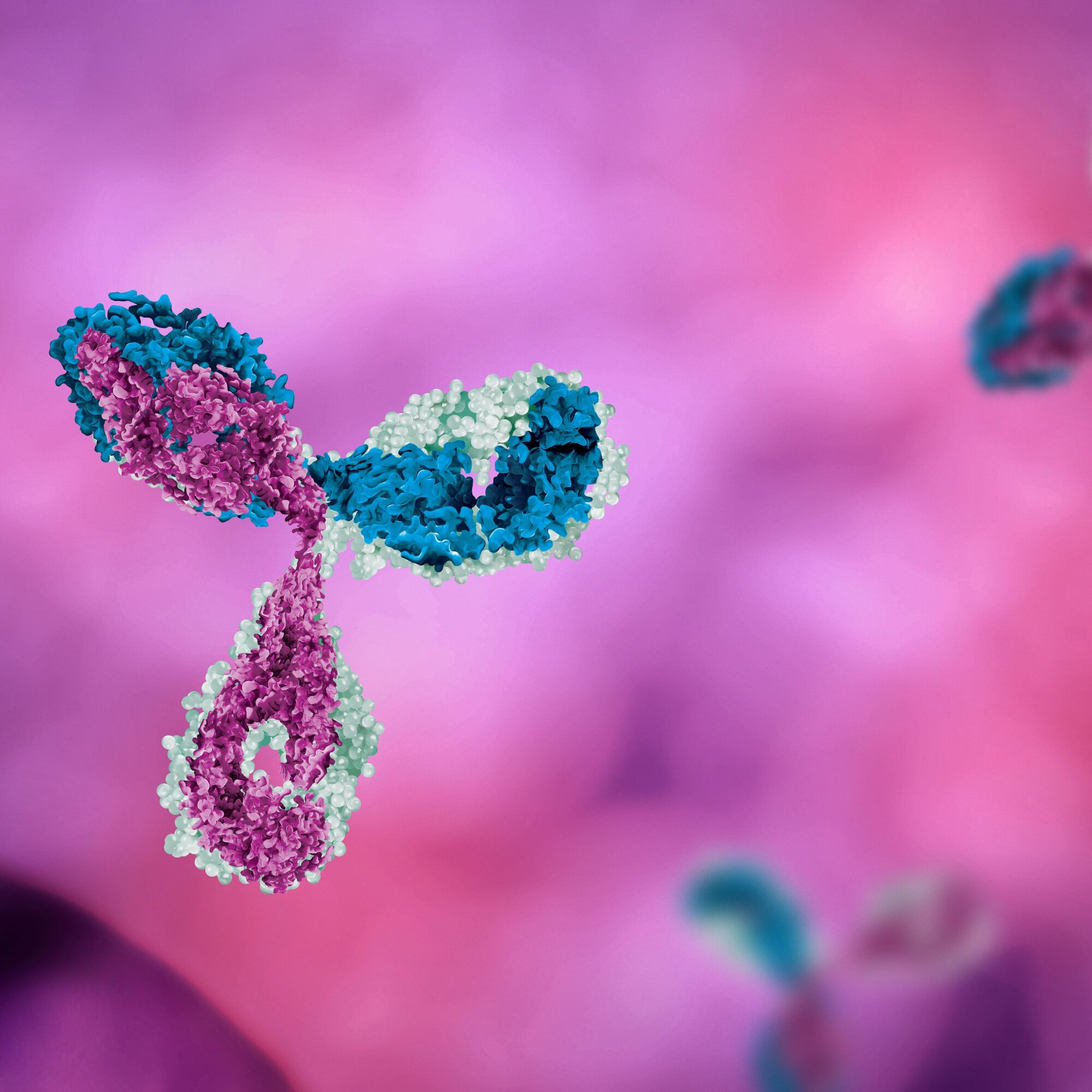
The design of bsAbs to bind two targets enables a range of new therapeutic mechanisms, including redirecting immune effector cells to tumour cells, blocking dual signalling pathways, or simultaneously inhibiting multiple disease mediators. This versatility opens the door to new strategies in cancer treatment, as bsAbs offer higher precision, reduce the risk of drug resistance, and potentially require lower dosing, resulting in fewer side effects.
One important group of bsAbs are effector cell redirecting antibodies, which recruit immune cells such as T cells or natural killer (NK) cells to the vicinity of tumour cells to induce targeted cytotoxicity. In this approach, one arm of the bsAb binds to a tumour-associated antigen, while the other engages an activating receptor on the effector cell. A prominent example is Blinatumomab (Blincyto®), developed by Amgen and already approved for clinical use. It targets CD19 on B-cell malignancies and CD3 on T cells, effectively directing T cells to lyse cancerous B cells.
Another major application of bispecific antibodies involves dual signalling pathway inhibition. These bsAbs simultaneously target two receptors or ligands involved in tumour growth and survival, thereby disrupting multiple pathways essential for cancer cell proliferation. Amivantamab (JNJ-61186372), developed by Janssen Pharmaceuticals and currently in Phase III/registration trials, exemplifies this mechanism by targeting EGFR and cMet receptors in non-small cell lung cancer (NSCLC) patients with EGFR exon 20 insertion mutations.
A third category includes dual-targeting checkpoint inhibitors, designed to block two immune checkpoint molecules at once in order to enhance the immune system’s ability to recognize and attack tumour cells. XmAb20717, developed by Xencor and now in Phase II and Phase Ib trials, targets both PD-1 and CTLA-4, known targets for checkpoint inhibition in cancer therapy as outlined above. Thereby, they promote stronger T-cell activation against tumours than the blockage of only one checkpoint molecule could achieve.
There are also bispecific antibodies that combine checkpoint inhibition with signalling pathway blockade, targeting one immune checkpoint molecule and one receptor involved in tumour growth, i.e., this is a combination of the above principles 2 and 3. For example, BNT327/PM8002 from BioNTech, currently in Phase II development, combines PD-L1 checkpoint inhibition with VEGF-A inhibition. This dual mechanism aims to boost the immune system while simultaneously disrupting cancer cell proliferation, opting for synergistic effects for patients in different tumour types.
Finally, checkpoint immunomodulators represent another promising category. These bispecific antibodies are designed to simultaneously block inhibitory checkpoint axes (which boost the immune system), while additionally stimulating immune responses by enhancing T cell and NK cell activity. An advanced example is BNT311/GEN1046 (acasunlimab), developed by BioNTech and in Phase II trials, which targets both 4-1BB and PD-L1. This dual action not only blocks the inhibitory PD-L1 axis but also provides co-stimulation of 4-1BB, resulting in a stronger and more sustained anti-tumour immune response.
Discover our oncology exploration center and how our team can support you in your projects related to cancer research >
Future Outlook
In the field of innovative next-generation modalities in cancer therapy, multispecific antibodies -including bispecific antibodies (bsAbs)- are projected to surpass other approaches such as RNA therapies, antibody-drug conjugates (ADCs), and radiopharmaceuticals in global sales. This is largely due to their strong potential for higher specificity and precision and the flexibility to enable diverse strategic treatment approaches. Numerous deals involving bsAbs suggest that pharmaceutical companies are actively working to strengthen their oncology portfolios in anticipation of a modality-agnostic future. In such a future, pharma players will continue to focus on specific indications but will select whichever modality most effectively targets a given disease. Three examples illustrate this trend: in 2024, BioNTech acquired Biotheus, a company specializing in bsAb development, to enhance its oncology pipeline and expand its immunotherapy offerings. Around the same time, Amgen partnered with Xencor to develop and commercialize novel bsAbs for cancer treatment, leveraging Xencor’s XmAb® technology platform. Meanwhile, Roche increased its investment in bsAb research, concentrating on therapies that target multiple tumour antigens to overcome resistance mechanisms.
In conclusion, we believe bsAbs will have a bright future: they are more precise than mABs and allow for more diverse therapeutic strategies, which can enable pharmaceutical companies to use them well in a potential modality agnostic strategy. In addition, bsAb are still biologics, expensive and will increase sales of pharmaceutical companies further in the future. Alcimed will keep you updated about this exciting new therapeutic field. Don’t hesitate to contact our team!
About the author,
Volker, Great Explorer Oncology in Alcimed’s Life Sciences team in Germany